Vietnam business confidence rebounds amid firms accelerate AI adoption and ASEAN expansion
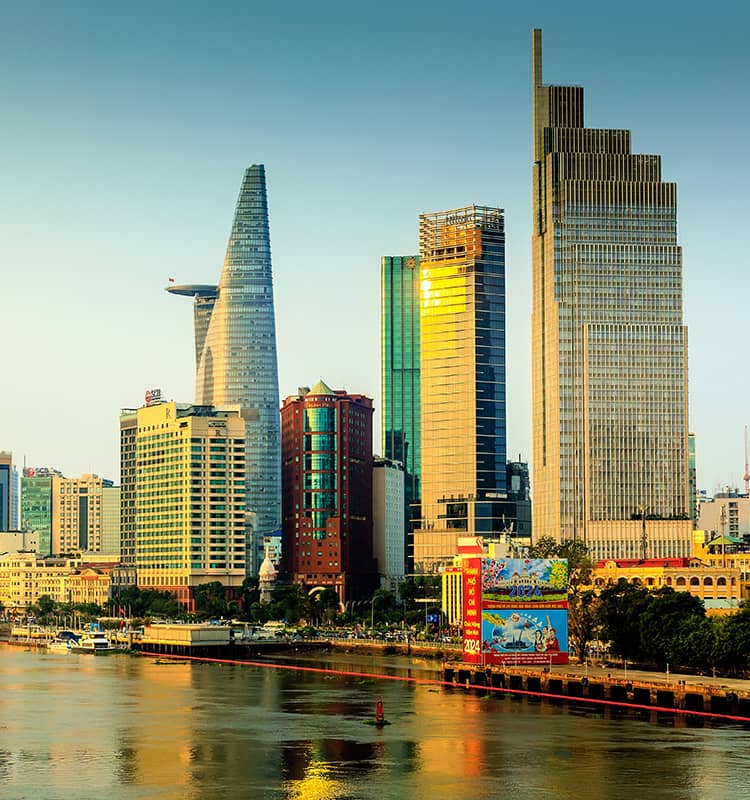
Ho Chi Minh City, Vietnam, 22 June 2026 - Business sentiment in Vietnam is rebounding strongly despite a challenging operating environment marked by rising costs and heightened global uncertainty, including ongoing geopolitical tensions and trade-related pressures.
According to the UOB Business Outlook Study 2026, 85 per cent of Vietnamese businesses report positive sentiment, a significant recovery from 48 per cent in 2025, when confidence was impacted by disruptions related to US tariff developments.
Looking ahead, optimism remains robust. More than nine in 10 businesses expect improved performance in 2026, with stronger revenue growth anticipated in 2027–2028. However, macroeconomic challenges continue to weigh on operations. Nearly half of businesses report rising costs driven by tariffs and geopolitical tensions, highlighting an increasing need for solutions that enhance efficiency, manage costs and support long-term transformation in a more complex environment.
Energy management emerges as a strategic priority
Beyond ongoing concerns about trade and geopolitics, energy management has become a key strategic priority for Vietnamese businesses. Even prior to the recent escalation of tensions in the Middle East, the study found that 96 per cent of businesses in Vietnam consider energy management and efficiency important, compared with the regional average of 87 per cent.
Against the backdrop of global energy volatility and supply risks, businesses are adopting a more structured and proactive approach to energy usage. More than half (55 per cent) prioritise securing stable and resilient energy supply for operations, while 53 per cent focus on optimising energy usage and 47 per cent on reducing consumption and improving efficiency. To achieve these goals, companies are increasingly investing in solutions such as energy-efficient machinery (43 per cent) and solar energy (42 per cent), balancing cost management with operational resilience.

AI adoption accelerates as businesses drive transformation
In parallel, Vietnamese businesses are advancing their digital transformation journeys, with artificial intelligence (AI) emerging as a key enabler of growth. While adoption is still at an early stage, eight in 10 businesses have begun implementing AI, although only 25 per cent have deployed advanced AI capabilities.
The study highlights that digital maturity is a critical enabler, with businesses that have more integrated digital systems significantly more likely to adopt AI solutions.
AI is already delivering tangible benefits, with companies reporting gains in productivity (49 per cent), cost efficiencies (47 per cent) and revenue growth (46 per cent). Reflecting growing confidence in its potential, two in three businesses plan to increase their AI investment budgets by more than 25 per cent in 2026.
However, challenges remain. Key barriers to adoption include cost and financial constraints (49 per cent), limitations in AI solutions and partner ecosystems (48 per cent), and gaps in data and system readiness (47 per cent).
Supply chain diversification and ASEAN expansion take centre stage
Supply chain management continues to be a top priority, with 97 per cent of Vietnamese businesses identifying it as critical. While disruptions have eased compared with previous years, challenges persist, particularly from geopolitical risks (40 per cent) and procurement complexity (34 per cent). Regulatory ambiguity also remains a concern, affecting 88 per cent of businesses.
To strengthen resilience, Vietnamese companies are actively diversifying their supply chains. Four in five businesses in Vietnam plan to expand their supplier networks in 2026, with more than half looking to increase suppliers within ASEAN and 23 per cent focusing on domestic sourcing.
Nearshoring strategies are also gaining momentum. About one in three Vietnamese businesses intend to establish or expand manufacturing operations in Vietnam, while many are also considering broader ASEAN expansion (43 per cent), reinforcing the region’s role as a key manufacturing and supply chain hub.
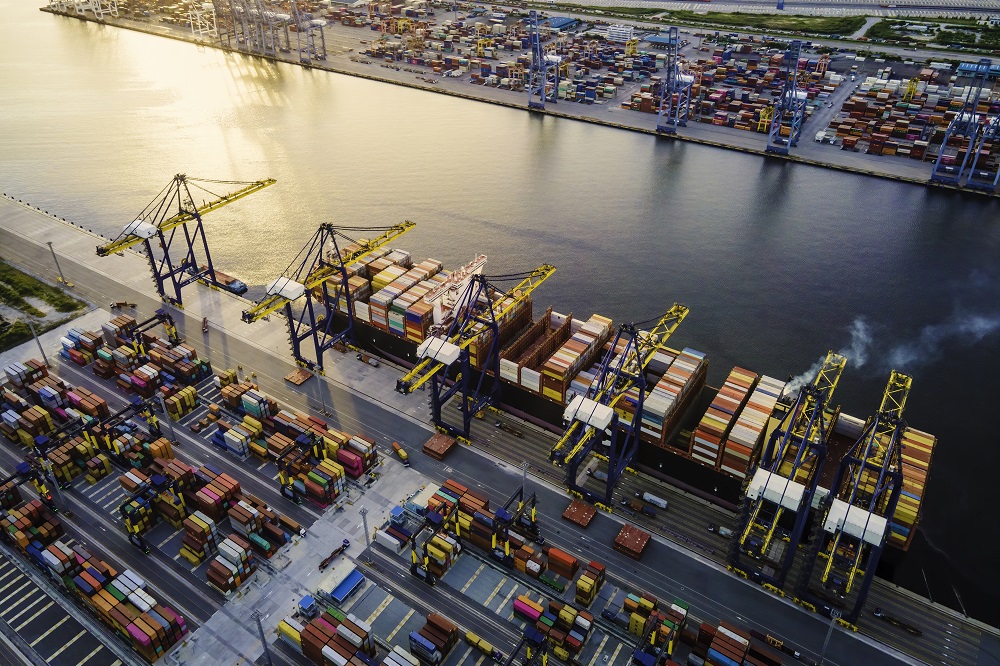
This shift is driving a strong push towards overseas expansion. Seven in 10 Vietnamese businesses expanded overseas in 2025, and nine in 10 plans further expansion over the next three years. Similarly, 80 per cent of Vietnamese businesses intend to invest abroad within the next two years, with an average planned investment of more than US$28 million.
ASEAN remains the preferred destination, selected by 65 per cent of Vietnamese businesses for expansion, with Thailand, Singapore and Indonesia emerging as top markets. However, companies also face challenges, particularly in navigating legal, regulatory, compliance and tax requirements (36 per cent), identifying suitable local partners (36 per cent), and accessing collaboration opportunities with established firms or government-linked entities.
To support businesses in navigating regulatory and operational complexities and advancing their cross-border ambitions, UOB leverages its regional capabilities and 11 Foreign Direct Investment (FDI) Advisory Centres across Asia to facilitate cross border investment, providing market access, regulatory guidance and local connectivity. The bank also supports complex regional supply chain management requirements, strengthened by the rollout of its Financial Supply Chain Management solutions on UOB Infinity in Vietnam, enabling end to end supply chains to be managed digitally on a single platform across multiple markets.
Ms Annie Pham Nhu Anh, Head of Wholesale Banking, UOB Vietnam, said: “Vietnamese businesses are demonstrating strong resilience and adaptability in an increasingly complex global environment. We are seeing a clear shift from recovery to transformation, with companies investing in digital capabilities, strengthening supply chains and expanding across ASEAN to capture long-term growth opportunities.
As a leading ASEAN bank with deep local expertise and one of the region’s most extensive networks, UOB is uniquely positioned to support these ambitions. We remain committed to partnering our clients at every stage of their journey, enabling them to navigate uncertainty, unlock cross-border opportunities and scale sustainably across the region.”
Now in its seventh year, the UOB Business Outlook Study has been refreshed with a bi-annual cadence and expanded focus areas, reflecting the rapidly evolving economic and geopolitical landscape.
The 2026 study covers seven markets – Singapore, Indonesia, Malaysia, Thailand, Vietnam, Mainland China and Hong Kong. In Vietnam, the findings are based on a 15-minute online survey conducted with 226 businesses, including both large enterprises and medium-sized enterprises across the country.
To access the full report, please visit: https://www.uobgroup.com/asean-insights/articles/uob-business-outlook-study-2026-vietnam-h1.page
UOB Vietnam commenced operations officially on 2 July 2018. It is a wholly-owned subsidiary of UOB, a leading bank in Asia with a global network of about 430 branches and offices in 19 markets in Southeast Asia, Asia Pacific, Europe and North America.
UOB has been in Vietnam for over 30 years, started from a representative office in 1993 and became the first Singapore bank to launch a branch in the country in 1995. Today, UOB Vietnam offers a range of personal and institutional financial services to both Vietnamese and overseas customers across the country backed by the seamless connectivity offered through UOB’s regional network. In 2019, UOB Vietnam expanded into northern Vietnam with a branch in Hanoi. With the completion of the acquisition of Citibank Vietnam’s consumer banking business early 2023, UOB now has a total five branches in Ho Chi Minh city and Hanoi.
For more than nine decades, UOB has adopted a customer-centric approach to create long-term value by staying relevant through its enterprising spirit and doing right by its customers. UOB is focused on building the future of ASEAN – for the people and businesses within, and connecting with, ASEAN.
The Bank connects businesses to opportunities in the region with its unparalleled regional footprint and leverages data and insights to innovate and create personalised banking experiences and solutions catering to each customer’s unique needs and evolving preferences. UOB is also committed to help businesses forge a sustainable future, by fostering social inclusiveness, creating positive environmental impact and pursuing economic progress. UOB believes in being a responsible financial services provider and is steadfast in its support of education, children and art, doing right by its communities and stakeholders.