Vietnam leads ASEAN in consumer optimism, driven by positive economic outlook and confidence in personal finances. Optimism fuels higher consumer spending, especially in experiential categories
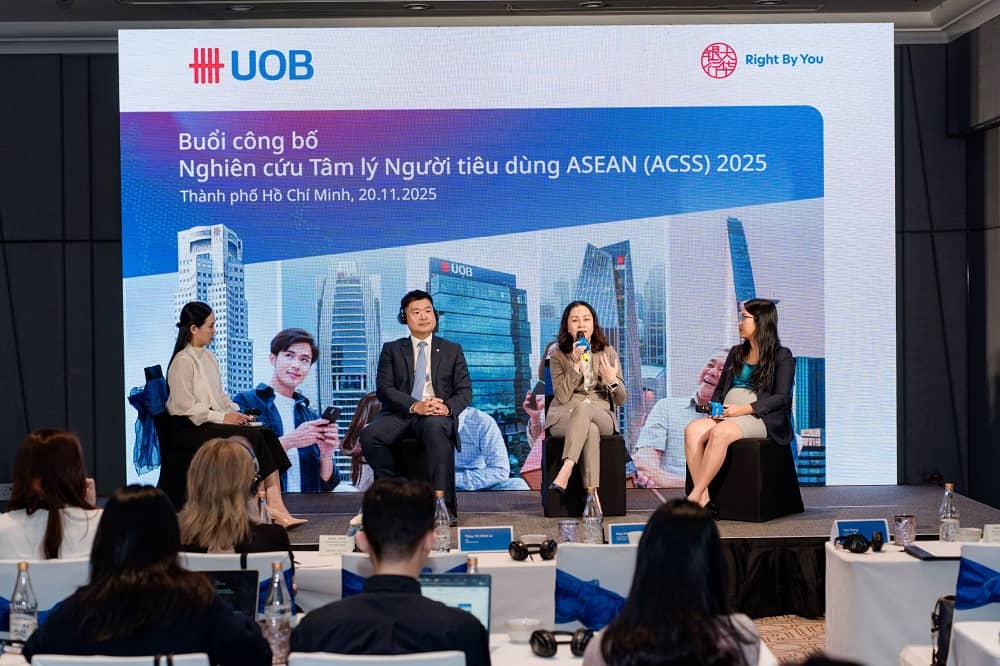
Ho Chi Minh City, Vietnam, 20 November 2025 - Vietnam continues to lead the region in consumer optimism, according to the sixth edition of the ASEAN Consumer Sentiment Study (ACSS). The country recorded the highest score on the newly launched UOB ASEAN Consumer Sentiment Index (the Index) at 67, well above the regional average of 54 and a three-point increase from last year. This reflects sustained confidence among Vietnamese consumers in both the national economy and their personal financial outlook.
The Index is derived from six key indicators measuring consumers’ perceptions of current and future economic conditions and their personal finances. On macroenvironment, more than eight in 10 Vietnamese respondents expressed optimism about the country’s broader economic, with the sub-index increasing by 12 percentage points from 2024. This sentiment is supported by Vietnam’s robust macroeconomic performance in the first half of 2025, including its GDP growth of 7.52 per cent year-on-year, which is the highest first-half growth recorded since 2011.
Outpacing their regional peers, Vietnamese consumers show strong confidence in the country’s political, economic and social stability. This optimism persists despite global uncertainties, including the US tariff announcement on 2 April 2025. Stable commodity prices and sustained foreign direct investment (FDI) flows have further contributed to the positive outlook. UOB’s latest economic forecast, released last month, revised Vietnam’s full-year GDP growth to 7.7 per cent, up from 7.5 per cent, following a strong third-quarter performance of 8.23 per cent.
Confidence in the macroeconomic environment has translated into optimism in personal finances among Vietnamese consumers. More than 70 per cent of respondents expect their financial situation to improve in the coming year. Concerns over rising household expenses have eased compared to last year, with a three percentage-point drop to 50 per cent, and a notable 12 percentage-point decline among Gen Z respondents. However, Vietnamese consumers remain concerned over income stability and long-term financial commitments, particularly among Gen Y consumers.
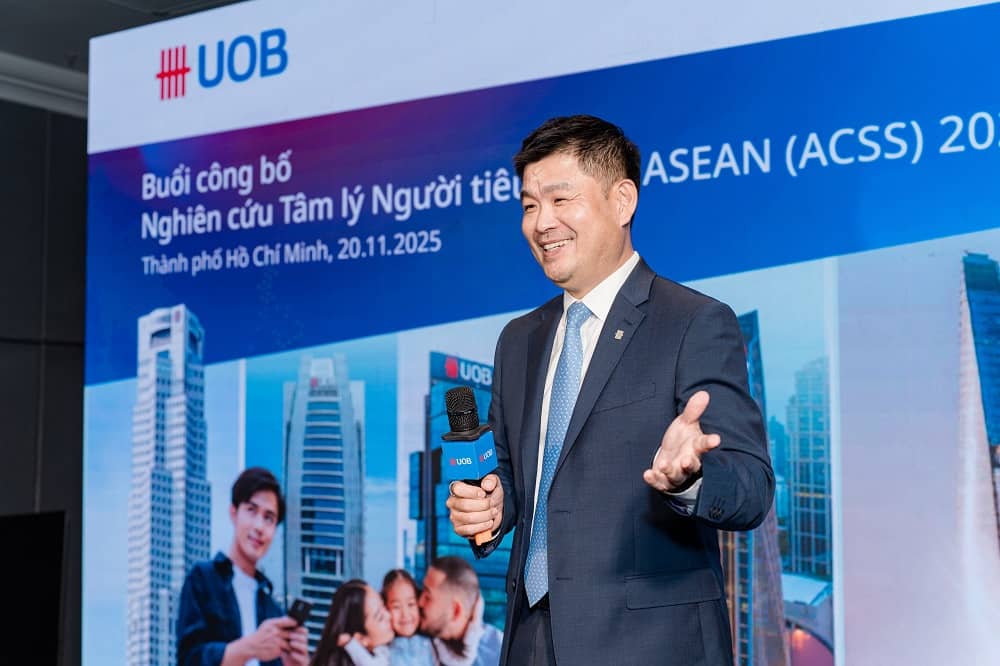
Mr Paul Kim, Head of Personal Financial Services, UOB Vietnam, said: “We are encouraged by the continued resilience in Vietnam’s consumer sentiments, reflecting consumers’ growing optimism in both the macroenvironment and personal finances. Despite global headwinds, Vietnam has demonstrated strong fundamentals and effective policy direction. This momentum is driving increased consumer spending and a greater focus on financial planning. UOB is committed to supporting this shift by enhancing our suite of financial solutions and delivering unique experiences that meet the evolving aspirations of Vietnamese consumers.”
Vietnamese consumers’ shift to eco-conscious and experiential spending
As inflation concerns ease, Vietnamese consumers are turning their attention to broader environmental issues. The study reveals that climate change, natural disasters and pollution are now the top concerns for 66 per cent of respondents, ahead of economic factors such as US tariffs (59 per cent). This shift in preferences has reshaped consumers’ shopping behaviour, where one in three Vietnamese consumers are willing to pay more for eco-friendly products, 11 percentage points higher than the regional average.
Besides being more environmentally conscious, the heightened sense of financial security among Vietnamese consumers has also drove increased spending across several key categories in 2025. ACSS showed that 67 per cent of Vietnamese consumers reported higher expenditure in areas of education, health and wellness, coming above daily living expenses such as utilities, commuting, and groceries (53 per cent). More than half of consumers also reported higher spending on experiential and luxury categories, reflecting a growing appetite for lifestyle upgrades. Eight in 10 consumers also considered experiences such as entertainment events, fine dining and leisure travel to be essential parts of their lifestyle.
In line with ACSS findings, UOB customers in Vietnam are indeed spending more on experiential categories. Overall card billings in dining, entertainment, and travel of UOB cardholders in Vietnam rose by eight per cent year-on-year, with entertainment spending up by 48 per cent and travel up by eight per cent.
To meet consumers’ evolving preferences, UOB Vietnam is enhancing its retail banking product portfolio to offer greater value and deliver exclusive, lifestyle-driven experiences to customers. Most recently, the Bank refreshed its credit card suite with new features and enhanced benefits tailored to the needs of modern consumers. Through strategic partnerships with leading regional and local brands, UOB cardholders in Vietnam enjoy privileges across travel, dining, shopping, and entertainment – with access to more than 1,000 deals across the region. These include early access to global events, exclusive dining offers, attractive travel discounts and unique nature experiences such as the Son Doong cave tour - one of the world’s most extraordinary natural wonders.
Financial preparedness holds strong, but Gen Z still lags behind
Vietnamese consumers continue to demonstrate strong financial preparedness, with 94 per cent of respondents feeling capable of managing their personal finances. Additionally, the study found that:
- 86 per cent consider themselves to have sufficient emergency funds
- 79 per cent are confident in handling existing debts
- 82 per cent believe they have adequate insurance coverage
- 76 per cent consider their investments sufficient to support retirement and long-term goals
Savings habits remain solid, with eight in 10 respondents saving more than 10 per cent of their monthly income, especially among women. 57 per cent also have saved enough to cover three to six months of expenses.
Health insurance adoption is strong among Vietnamese consumers, with 44 per cent holding personal health insurance beyond government coverage. However, life insurance ownership has declined by 14 percentage points compared to last year and now trails the regional average. Interest in targeted policies such as term life and disability protection are rising, with adoption increasing by nine and 16 percentage points respectively.
Investment behaviour reveals a growing divide. While many Vietnamese consumers actively seek financial knowledge, fewer are translating that into action. Only 57 per cent invest more than 10 per cent of their annual income, a 13 percentage-point drop from last year. Bank fixed deposits remain the most popular instrument, held by 93 per cent of respondents, indicating a cautious approach.
Among all consumer segments, Gen Z stands out as the least financially prepared. The study found that five per cent of Gen Z respondents felt completely unprepared in terms of emergency savings and insurance coverage, and less than half (47 per cent) had emergency savings that cover more than three months of expenses. Additionally, only 33 per cent held personal health insurance, and life insurance ownership was the lowest among this age group at 43 per cent. Most notably, 13 per cent felt completely unprepared to manage existing debts.
This gap in financial resilience is closely tied to Gen Z’s lifestyle-driven financial priorities. The study revealed that 77 per cent prefer to enjoy their money now rather than worry about the future, and the same proportion felt that social expectations and peer pressure make saving difficult – the highest among all age groups.
While Gen Z places high value on living in the moment, they can still enjoy life while gradually building stronger financial foundations for long-term security. UOB is committed to supporting customers at every stage of life by offering a comprehensive suite of resources and solutions to strengthen financial preparedness across savings, investments and protection.
“ACSS insights present meaningful opportunities for UOB to better serve our customers as their needs evolve. By understanding consumer behaviour across different segments, we can provide tailored solutions that support their life goals. Whether it is helping young adults strengthen financial resilience or supporting families and retirees in protecting and growing their assets, UOB remains a trusted partner throughout every step of the financial journey.”, Mr Paul Kim shared.
UOB Vietnam commenced operations officially on 2nd July 2018. It is a wholly-owned subsidiary of UOB, a leading bank in Asia with a global network of more than 470 branches and offices in 19 markets in Asia Pacific, Europe and North America.
UOB has been in Vietnam for 30 years, started from a representative office in 1993 and became the first Singapore bank to launch a branch in the country in 1995. Today, UOB Vietnam offers a range of personal and institutional financial services to both Vietnamese and overseas customers across the country backed by the seamless connectivity offered through UOB’s regional network. In 2019, UOB Vietnam expanded into northern Vietnam with a branch in Hanoi. With the completion of the acquisition of Citibank Vietnam’s consumer banking business early 2023, UOB now has a total five branches in Ho Chi Minh city and Hanoi.
Over more than eight decades, generations of UOB employees have carried through the entrepreneurial spirit, the focus on long-term value creation and an unwavering commitment to do what is right for our customers and our colleagues.
We believe in being a responsible financial services provider and we are committed to making a difference in the lives of our stakeholders and in the communities in which we operate. Just as we are dedicated to helping our customers manage their finances wisely and to grow their businesses, UOB is steadfast in our support of social development, particularly in the areas of art, children and education.