Amidst the unpredictable global economic landscape, diversifying export markets has become a vital strategy for Vietnamese businesses to maintain and strengthen their position in international trade.
UOB Vietnam serves as a powerful partner, supporting businesses with effective financial and non-financial solutions, including trade finance support, supply chain finance, and international payments to mitigate risks in the foreign exchange market.
The global economy is becoming more volatile and unpredictable due to tax policies, geopolitical tensions, and a growing trend of trade protectionism. This has made traditional export markets for Vietnam, such as the United States and the European Union, less accessible than before.
Meanwhile, many of the new-generation Free Trade Agreements (FTAs) signed by Vietnam are entering a deeper phase of implementation, requiring stricter commitments and compliance. The advantages of these FTAs are also no longer exclusive, as many other ASEAN countries are actively signing similar agreements, leveling the playing field.
This new landscape has intensified competition in exports among nations, especially as the U.S. and E.U. aim to reduce their reliance on supply chains from China and many other Asian countries. This year’s growth targets for Vietnam and other countries in the region must be tied to the development of their domestic business communities. Diversifying export markets is now a critical survival strategy - and a significant challenge - for businesses.
Vietnamese businesses are facing significant pressure
In the first half of 2025, Vietnam’s economy showed positive signs, with a second-quarter GDP increase of 7.96% - the highest rate in 14 years and well above market expectations. The main driver was exports, with a turnover of $219 billion in the first six months, representing a 14.4% increase year-over-year (1).
According to recently published data from the General Statistics Office of Vietnam and the Ministry of Finance, as of July, the United States remained Vietnam’s largest export market, with a turnover of $85.1 billion. Vietnam’s trade surplus with the U.S. was the largest among all markets, reaching $74.6 billion - a significant increase of 28.6% compared to the same period last year. Meanwhile, China continued to be Vietnam’s largest import market, with a turnover of $101.5 billion (2).
The U.S. is a major and traditional export market for Vietnam, yet it is presenting more and more challenges for Vietnamese businesses.
Starting in August 2025, the reciprocal tax on exports to the U.S. will be 20% for Vietnamese goods and 40% for transshipped goods from Vietnam. Although this rate is lower than in many countries such as Laos (40%), Myanmar (40%), Brunei (25%), and India (25%), it is still quite competitive compared to the 19% tax for Southeast Asian countries like Cambodia, Indonesia, Malaysia, and Thailand. High taxes force businesses to increase production costs and prices, making it difficult to penetrate the U.S. market - not to mention the volatility of exchange rates.
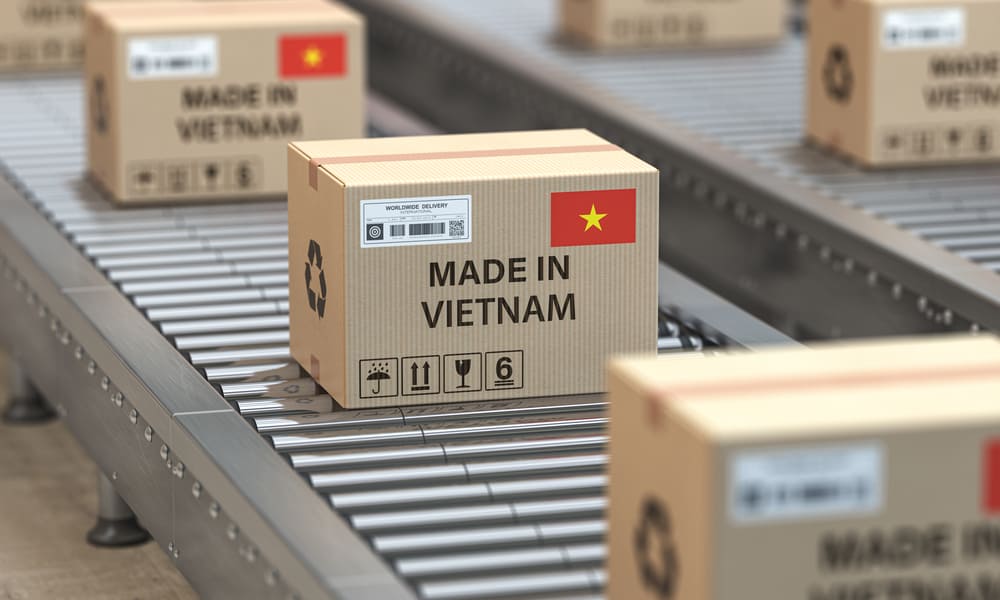
Vietnamese businesses are facing numerous challenges in their export markets.
In addition to tariffs, non-tariff barriers such as regulations on labor, the environment, sustainable development, and rules of origin are becoming increasingly tight - especially since Vietnam remains a major import market for goods from China. Importing into the U.S. also poses many challenges, as procedures require businesses to provide complete documentation proving the origin of their goods, even down to the individual components of the product. This complex and highly demanding documentation process carries a significant risk of customs clearance delays or penalties.
In the long term, these barriers may increase amid the current instability. The sudden changes in global trade policies present many challenges for businesses with limited preparation.
This forces businesses to proactively build a strategy to diversify their export markets - expanding into new ones to reduce their dependence on the U.S. and the E.U., even though these remain major export markets with great potential. However, to do this, Vietnamese businesses need to clearly evaluate the advantages and challenges in both the short and long term.
What are the solutions for businesses?
A survey from UOB Vietnam shows that concerns about expanding into international markets account for 66% of surveyed businesses. Of these, 56% said they would apply more sustainable solutions, while 61% plan to accelerate digital transformation following the U.S. tariff measures (3). Although the current numbers are still modest, it is clear that many Vietnamese businesses are persistently pursuing their goals and seeing opportunities in this challenging period.
First, Vietnam has signed more than 15 FTAs with various countries and regions, allowing domestic businesses to leverage tariff opportunities to expand their export markets and participate more deeply in global supply chains.
Beyond focusing solely on a few traditional markets, Vietnamese businesses can consider niche markets such as Eastern Europe, Africa, and the Middle East. These markets have a demand for agricultural products, Halal foods, and seafood, which are Vietnam’s strengths. Many of these regions do not yet have strict technical trade barriers, offering more opportunities for Vietnamese exporters.
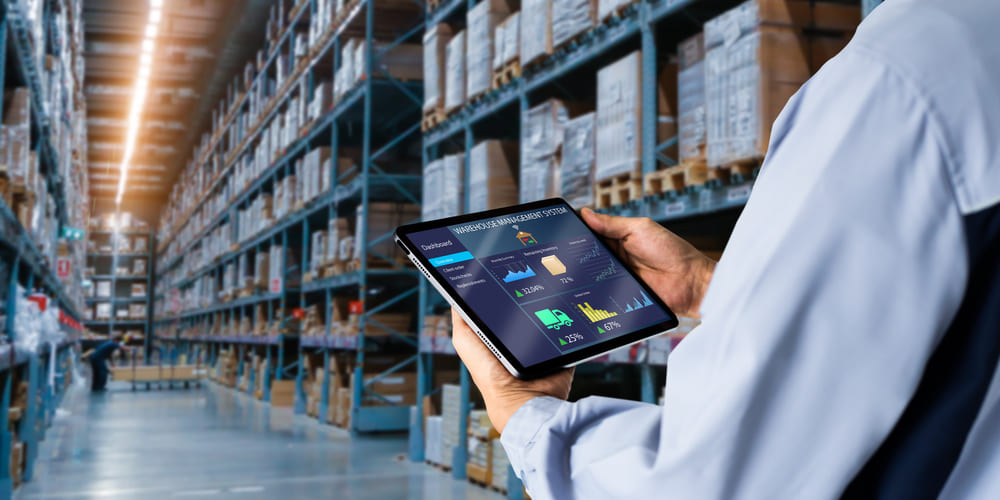
Businesses must build an export strategy to adapt to the new situation.
Important resolutions isued by National Asembly - especially Resolution 68-NQ/TW 2025 on private sector economic development, along with government policies such as maintaining a stable foreign exchange rate, keeping lending interest rates low, and implementing institutional reforms towards a more streamlined, effective, and transparent system, are creating favorable conditions for the private sector. Support from relevant agencies and associations is also giving businesses opportunities to expand their investments and enhance their capabilities.
In response to the need for adaptation, many domestic businesses have shown agility in seizing opportunities to build market expansion strategies. These strategies are not only aimed at long-term growth but are also built with depth, aligning with new standards and current regulations. This helps businesses prepare both in terms of capacity and mindset to participate in international trade.
First, businesses need to focus on the domestic market. Vietnam is a large country with a population of over 100 million people, currently in a “golden population” phase with an abundant workforce. The domestic economy is developing rapidly, and a growing middle class has created a large consumer market. This is a key factor encouraging businesses to proactively seek opportunities in the domestic market itself.
The 40% reciprocal tax from the U.S. on goods transshipped through Vietnam may cause significant difficulties for businesses using imported raw materials. However, for some domestic companies, this could be an opportunity to receive technology transfers and participate in the supply chains of Foreign Direct Investment (FDI) enterprises with a strategy focused on increasing localization.
Specifically, businesses must focus on building a brand strategy by improving their supply capacity, standardizing product quality, and investing in innovation for both quality and design. Adhering to international standards - from traceability to green compliance - will be a crucial factor in ensuring Vietnamese products are eligible and competitive enough to reach the global market.
Second, businesses also need to enhance their legal capabilities to handle the import and export procedures of partner countries. At the same time, they must implement trade defense measures to support the company’s cash flow management. In this new context, businesses need to be quick to grasp information, build flexible response scenarios, and effectively leverage Free Trade Agreements (FTAs) to increase their competitive advantage. Furthermore, they can proactively connect with markets, and participate in trade policy negotiations and adjustments to protect their industries and products from global fluctuations. Therefore, seeking support from financial institutions is a necessary and strategic step.
Market Diversification Strategy: Where to begin?
Understanding the challenges faced by businesses, UOB Vietnam has developed solutions focusing on two main areas: non-financial advisory services and financial solutions.

UOB Vietnam develops comprehensive solutions to support customers.
For non-financial solutions, we leverage our strengths in providing strategic market advice to businesses in the region - including export companies, FDI enterprises, and those involved in mergers and acquisitions with FDI capital. International trade activities always require strict adherence to legal procedures and documentation. Specifically, with the U.S. imposing a 40% tariff on transshipped goods, the process of verifying product origins - down to each component - will become more complex than ever. Therefore, we are continuously expanding our legal advisory channels, ready to answer questions and partner with businesses to overcome challenges in a volatile trade environment. We also offer trade connection channels and support services for consulting and risk management.
For financial solutions, we offer a diverse range of options tailored to the specific needs of each business:
- Supply Chain Finance: Helps businesses manage cash flow easily and minimize risks to ensure supply chain stability and support the expansion of the enterprise’s distribution network.
- Export - Import Financing: Offers comprehensive solutions to help businesses mitigate risks when transacting with unfamiliar trade partners, financial institutions, or entities located in high-risk countries.
With UOB Vietnam’s incentives, businesses can build a diverse and resilient market strategy. This not only enables them to respond effectively to short-term volatility but also positions them for long-term growth within the global trade landscape. Vietnam aims for 8% growth this year and targets double-digit growth in the coming years (4). The strength of each business will be a key driver of Vietnam's long-term economic development.
To better understand the preferential policies UOB Vietnam offers its clients, contact our team of specialists for the most detailed and dedicated consultation.
This article shall not be copied, distributed or used by any individual or organisation for whatever purpose. This article is given for reference only, non-binding, and is strictly for information only. The information contained in this article is based on certain assumptions, information and conditions available as at the date of the article and may be subject to change at any time without notice. You should consult your own professional advisers about the issues discussed in this article. Nothing in this article constitutes accounting, legal, regulatory, tax or other advice. This article is not intended as an offer, recommendation, solicitation, or advice to purchase or sell any investment product, securities or instruments.
United Overseas Bank (Vietnam) Limited and its employees have made reasonable efforts to ensure the accuracy and objectivity of the information contained in this article, however, no representation or warranty, whether express or implied, is given as to its accuracy, completeness and objectivity and accept no responsibility or liability for any error, inaccuracy, omission or any consequence or any loss or damage howsoever suffered by any person arising from any reliance on the views expressed and the information in this article.